
Claremont 56
Top 100 Chart Placements
Updated 1 year ago
-
 #29
Feat. Banner in Downtempo
#29
Feat. Banner in Downtempo
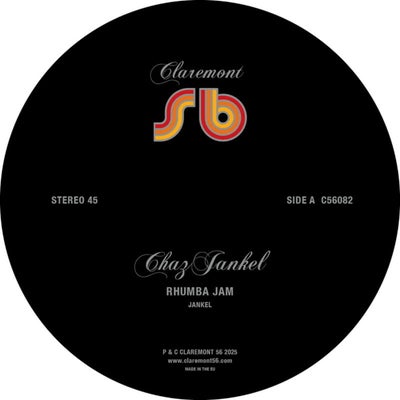
Paul Murphys Claremont 56 label welcomes a genuine legend of UK music to its roster - Chaz Jankel, the man whose dizzying musicality and love of soul, funk and disco did much to shape the sound of Ian Durys Blockheads band in the late 1970s and early 80s. A virtuoso keyboardist with a deep love of Black American music, Jankels arrangements and compositional skills were key to the success of their records, the funkiest of which not only became crossover pop hits - see Hit Me With Your Rhythm Stick and Reasons To be Cheerful, Part 3 in particular - but also saw heavy rotation in now iconic New York clubs including the Paradise Garage and Studio 54. This continued during the formative years of his solo career, with My Occupation, Questionnaire and Glad To Know You (later famously re-edited and dubbed out for nu-disco dancefloors by Todd Terje) all becoming club hits. The great Quincy Jones also covered Jankels infectious single Ai No Carrida, while experimental, club-ready synth-jam 3,000,000 Synths was also influential during the early years of the electro movement. For his Claremont 56 bow, Jankel has delivered an all-new workout recorded earlier this year, the simply titled Rhumba Jam. A typically warm, groovy and rolling affair, it features Jankel delivering infectious, stretched-out Rhodes electric piano solos over toasty bass, clipped guitar licks, warm bass, accordion-style synth motifs and a densely layered Rhumba rhythm. While relaxed and sun-soaked, it also has bags of Balearic dancefloor potential. Murphy remixes under his now familiar Mudd alias, leaning into the tracks languid Balearic vibe while keeping a firm focus on the dancefloor. Beginning with an enticing mix of metronomic drums and jangly acoustic guitars, Murphy slowly layers up key elements of Jankels original - think rubbery bass, rhythmic handclaps, mazy synth sounds and those wonderful, stretched-out solos. Its a version that pays due reverence to the quality of Jankels musicianship, production and arrangement while subtly extending it and reframing it for 21st century Balearic dancefloors.

-
#29
Feat. Staff Picks in Downtempo
Paul Murphys Claremont 56 label welcomes a genuine legend of UK music to its roster - Chaz Jankel, the man whose dizzying musicality and love of soul, funk and disco did much to shape the sound of Ian Durys Blockheads band in the late 1970s and early 80s. A virtuoso keyboardist with a deep love of Black American music, Jankels arrangements and compositional skills were key to the success of their records, the funkiest of which not only became crossover pop hits - see Hit Me With Your Rhythm Stick and Reasons To be Cheerful, Part 3 in particular - but also saw heavy rotation in now iconic New York clubs including the Paradise Garage and Studio 54. This continued during the formative years of his solo career, with My Occupation, Questionnaire and Glad To Know You (later famously re-edited and dubbed out for nu-disco dancefloors by Todd Terje) all becoming club hits. The great Quincy Jones also covered Jankels infectious single Ai No Carrida, while experimental, club-ready synth-jam 3,000,000 Synths was also influential during the early years of the electro movement. For his Claremont 56 bow, Jankel has delivered an all-new workout recorded earlier this year, the simply titled Rhumba Jam. A typically warm, groovy and rolling affair, it features Jankel delivering infectious, stretched-out Rhodes electric piano solos over toasty bass, clipped guitar licks, warm bass, accordion-style synth motifs and a densely layered Rhumba rhythm. While relaxed and sun-soaked, it also has bags of Balearic dancefloor potential. Murphy remixes under his now familiar Mudd alias, leaning into the tracks languid Balearic vibe while keeping a firm focus on the dancefloor. Beginning with an enticing mix of metronomic drums and jangly acoustic guitars, Murphy slowly layers up key elements of Jankels original - think rubbery bass, rhythmic handclaps, mazy synth sounds and those wonderful, stretched-out solos. Its a version that pays due reverence to the quality of Jankels musicianship, production and arrangement while subtly extending it and reframing it for 21st century Balearic dancefloors.
 Banner