Ambient / Experimental
Top 100 Chart placements for Ambient / Experimental
Updated 11 hours ago
Align Left/Right
Align Top/Down
-
 #1
Feat. New Releases in Ambient / Experimental
#1
Feat. New Releases in Ambient / Experimental
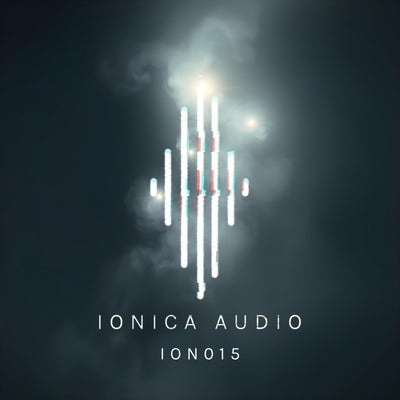
Hiera
Trilucid return to Ionica with their second release of 2026, following their debut on Anjunadeep Explorations in January. A contemplative elegy, Hiera unfolds as a deeply emotive slice of melodic house, gradually revealing richer and more complex layers as it progresses. Included in the release is a Sunrise Mix, a beautifully laid-back lullaby that strips away the drums completely to reveal the intricately layered sounds
-
 #2
Feat. New Releases in Ambient / Experimental
#2
Feat. New Releases in Ambient / Experimental
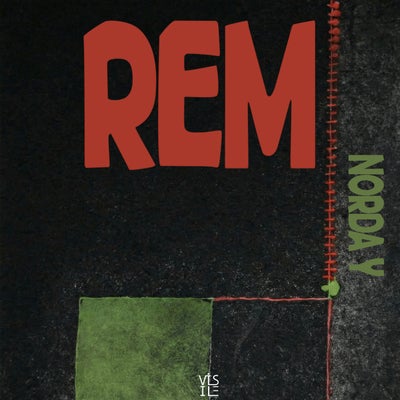
Rem
Norda y marks a new chapter with this release, The release is composed of three tracks, built around a core original production that defines the EPs sonic identity. Alongside the main version, the project includes a stripped-back ambient interpretation, where rhythm gives way to atmosphere, texture, and emotional space, revealing a deeper and more introspective side of the composition. Completing the EP is a second original track, offering a complementary yet distinct perspective, designed with full club functionality in mind. Rooted in deep rhythmic structures and organic percussion, the EP blends hypnotic grooves with refined melodic progressions, balancing tension and release with precision. Warm basslines, evolving synths, and subtle vocal elements shape a sound that works equally well on immersive dancefloors and in focused listening environments. Visile Records continues to position itself as a platform for artists pushing beyond genre boundaries, delivering music that is timeless, expressive, and built to resonate both emotionally and physically.
-
 #4
Feat. New Releases in Ambient / Experimental
#4
Feat. New Releases in Ambient / Experimental
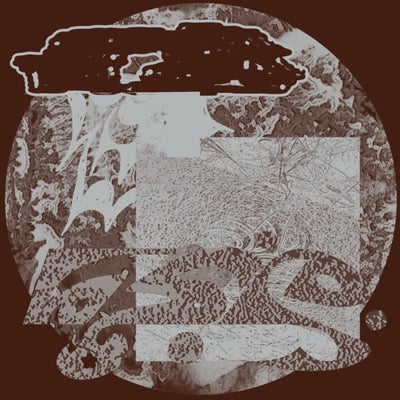
fabric presents DJ Tennis
2026-02-13 fabric Records
Fordell Research Unit, Djrum, Rudy With a Hoodie, Vitess, Paperkraft, Giammarco Orsini, Klon Dump, Andre Zimmer, DJ Tennis, Ashee, M-High, Paurro, ATRIP, Danny Daze, .VRIL, Mungo Sound Machine, Easttown, Josh Wink, Haris Laus, DJ Romain, Daskal
-
 #7
Feat. New Releases in Ambient / Experimental
#7
Feat. New Releases in Ambient / Experimental
15 Years of Butter Sessions - Disc One
Melbourne / Naarm strongholdButter Sessionsclock 15 years in the game with a trilogy of 12s, sustaining their uncompromising streak of peak-form electronics. The family-style V/A binds friends, collaborators, former studio neighbours and DJ booth allies, capturing a label that exists as community as much as catalogue. A new chapter in Butter Sessions ongoing Japanese exchange sees Sapporo sound sculptor Kuniyukire-opening a 2015 tour collaboration with label heads Sleep D- a deep, spatial beatdown powered by dub pressure and percussive hypnosis. Shadow-lurking prodigy Mosam Howiesondrops in with his trademark scatterbrain techno, while Hasvat Informantlocks into joint-consciousness big-room radioactivity. Opening the B-side, Fader Capfuses Balearic psy-ence with Mike Dunn-esque utilitarian jack, hovering somewhere between 80s memory and future vision. Tokyos Mayurashkafollows with Survival Guide, big beat colliding with drug chug, before Albrecht LaBrooyreunite for a divine chill-out tent slowdown, magnifying sample detail with exacting flow. Were adrift until Sunju Hargunlights the beacon with ???????(Sky Surfer), Thailands emissary of ritualistic minimal trance. Whether taken alone or folded into the three-disc triptych, each instalment stands as a bag-ready constant, charged with Butter Sessions curatorial finesse.
Kuniyuki, Sleep D, Mosam Howieson, Hasvat Informant, Fader Cap, Mayurashka, Albrecht La'Brooy, Sunju Hargun
-
 #16
Feat. New Releases in Ambient / Experimental
#16
Feat. New Releases in Ambient / Experimental
Dominion
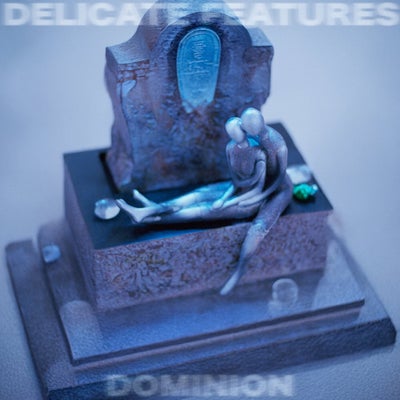
Delicate Features return to us with a beautifully beguiling blend of folk, electronica, and heavenly melodic escape. Pavel Diakov and Radmila Nikogosian, the duo behind Delicate Features, are London-based and allow their Armenian-Georgian roots to speak through their music. Since making their debut in 2012, they have released on our label as well as Cellar Tapes and Not Not Fun Records, always exploring immersive soundscapes that invite listeners deep into their world. Their music is a majestic mix of trip-hop, new age, medieval lament, and ambient reverie. They have cited Latvian folk songs, funereal black metal, Muslimgauze, and metaphysics as inspiration before, and they have now again created a stirring sound world with this EP. The blissful 'Memory Gardens' is a quiet yet bright mix of smeared vocals, gentle harmonics, and found-sound percussion, riding sparse, broken beats that transfix body and mind. 'Teenage Lightning' is an ascent to the stars on rising synth loops that glisten and glow with a cathartic, escapist eect. The gorgeous 'In Bloom' is a painterly sound, with heat-emitting chords, gently bubbly, rubbery drums, and choral vocals that slowly swirl around in a heavenly nebula. It's a restorative sound with an angelic soul and 'Error Screens' agains hypnotises with liquid melodies, glossy synth repeats and churchy architecture that feels profound. It's a seamless mix of the organic and the synthetic with a mathematical charm that moves body and soul. 'Old Brook' is a quiet lament - an ambient soundscape for late-night reflection and emotional rebirth. Arwork by Daniel Rajcsanyi.
-
 #21
Feat. New Releases in Ambient / Experimental
#21
Feat. New Releases in Ambient / Experimental
Blanco
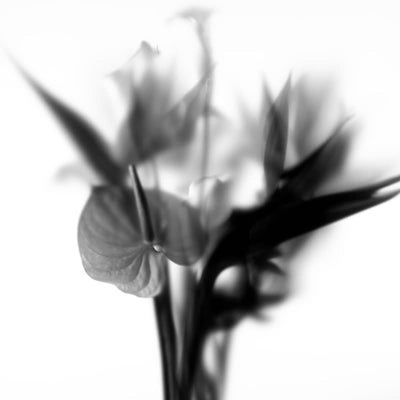
BLANCO - ACT II arrives on Bedouin Records as a suspended breath between matter and myth: a colourless dream where sound becomes wind and image dissolves into sensation. Born from Okkres Arkhe cycle, this act invokes air--the invisible force revealed only through its effects--reimagined through fatalisms blackened post-industrial electronics and an oneiric short film by Tatsuya Fujimoto. Drawing from elemental philosophy and the flux of Heraclitus, BLANCO drifts through processed field recordings and spectral florals, enclosing the listener in a timeless, indeterminate space where nature whispers, motion is felt but never seen, and the image of air is carved only by its passage.
-
 #31
Feat. New Releases in Ambient / Experimental
#31
Feat. New Releases in Ambient / Experimental
Belvedere Point
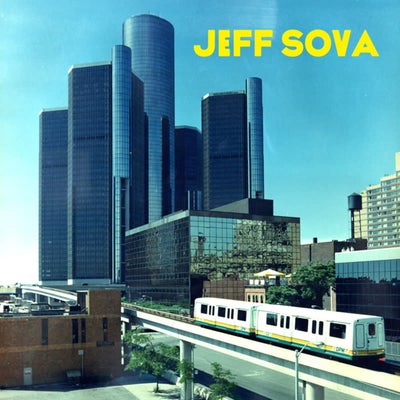
Athens of the North is very proud to present a wonderful piece of lost Electronic music, Jeff Sova brings a softer less heard side of Detroit Techno, as soon a I heard the rare 12 a few years ago I knew i needed to find him and share his music. Jeff's foundation in music began with early piano and keyboard explorations. As a teenager, he immersed himself in the sounds of Tangerine Dream and Brian Eno, later connecting with the electronic dance sounds of Depeche Mode and New Order. While studying at the University of Michigan the metropolitan area of Detroit, Jeff discovered WCBN (the university's local college radio station) which introduced him to techno in its formative period. The station regularly featured tracks from pioneers such as Juan Atkins, Kevin Saunderson, Derrick May and Richie Hawtin. Some local Detroit artists would occasionally visit for interviews, offering insights into a scene that fuelled Jeff's growing fascination with electronic music. Jeff was studying computer engineering at the time, so had a natural affinity for the technical details of music technology. Though electronic music captured his imagination and was his production choice, Jeff's musical sensibilities were shaped by much more than synthesisers and drum machines. His background in piano and guitar had also exposed him to a rich variety of music - reggae and jazz in particular. His diverse foundation would prove valuable in his developing music style and ability to structure his songs. When assembling his studio set-up in the mid-90s, Jeff took a different approach to many of his peers at the time when it came to equipment selection. Whilst the allure of the primitive Roland TB-303 bass line and TR-808 drum machine was strong (both staples in techno production at the time), he chose the rack-mounted Roland JV-1080 with its expansion cards as the cornerstone of his sound palette. This central module was complemented by the E-MU Orbit "Dance Planet", which provided more unconventional patches and drum kits that added to the different character of his music. This was all brought together by his trusty Yamaha KX8, preserving the authentic feel of the piano he grew up playing. Essential
-
 #38
Feat. New Releases in Ambient / Experimental
#38
Feat. New Releases in Ambient / Experimental
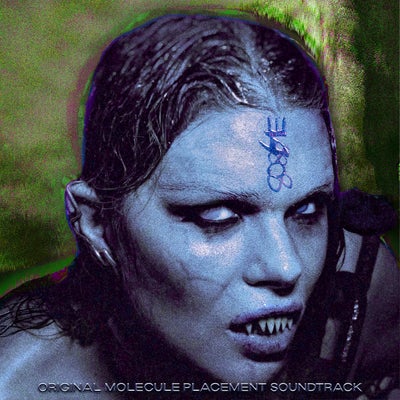
I AM MOTHER NATURE (Original Molecule Placement Soundtrack)
After the 2023 award winning album 'OEDhRUVISI' and the 2024 'Lets Be Havin U EP' on Exit Records. Icelandic artist EVA808 follows it up with her 3rd album and 2nd album on GLER, 'I AM MOTHER NATURE (Original Molecule Placement Soundtrack)'. A cinematic album which soundtracks the experience of having bipolar. Growing up in the west of Reykjavik, Iceland surrounded by water and mountains. On the top floor Inside the cold concrete housing in the Icelandic equivalent of a council estate. Eva as a teen began to teach her self how to make music with FL Studio on an old pc after a friend at school showed it to her. With no formal musical upbringing or fancy art degrees she began to craft her sound. as a young adult she then moved to Sweden, where she lives now and operates in her self built studio. in 2014 she began releasing music as EVA808. the new album Features a hands on approach with hardware, foley recordings, thrifted synths and bass guitars. cassette decks mixed with cutting edge samplers/drum machines and pedals. Raw vocals vs stretched and pitched vocals all used to bring a unique experience. Layered with VST strings, brass and choir libraries with melodies made from scratch and then recorded to cassette. Its a multi genre piece that is somewhat of a blend between a film soundtrack and a traditional album, with not so traditional sound design. heart and soul extracted into audio in the form of an hour+ journey designed as an anti Spotify-playlist piece, Forward thinking and 'weird'.
-
 #42
Feat. New Releases in Ambient / Experimental
#42
Feat. New Releases in Ambient / Experimental
Press (feat. Apartment House)
Composed by Jack Sheen Performed by Apartment House Violin: Gordon MacKay, Mira Benjamin Viola: Bridget Carey Cello: Anton Lukoszevieze Piano: Kerry Yong Recorded by Mark Knoop at City University, London Mixed by Jack Sheen Mastered by Nicholas Moroz Cover photo by Laura Hilliard
-
 #43
Feat. New Releases in Ambient / Experimental
#43
Feat. New Releases in Ambient / Experimental
Bricolage
Dear Stream returns to Apparel Tronic with Bricolage, a four-track sonic essay about creation through fragments. The title says it all: a bricolage is the art of building with whats already there, borrowing tools, sounds, languages, and letting them reassemble into something new without pretending to be original. Each track seems to fold in on itself, sampling, and repurposing elements that once belonged elsewhere, but now coexist in a space of their own. Its music that questions where originality even begins, and if it still matters. The concept draws inspiration from Derridas Structure, Sign and Play in the Discourse of the Human Sciences, embracing the postmodern idea that creativity isnt about purity or origin, but about play, movement, and difference. Bricolage moves through layered textures and abstract rhythms, balancing precision and accident. Its Dear Stream at his most reflective, experimental yet approachable, theoretical yet practical. A record that doesnt claim to invent, but rather to connect, and in doing so, becomes something unmistakably its own.
-
 #45
Feat. New Releases in Ambient / Experimental
#45
Feat. New Releases in Ambient / Experimental
Parajekt
The music of the duo Parajekt is created on electronic instruments. Drum machines, samplers, modular synths, and effects devices all culminate in a tape recorder, whose limitations invite them to work with great musical and sonic precision. The resulting pieces serve as the first layer and as a sound score, which is then overwritten, mixed, and refined with dub techniques in a subsequent step. Elements inspired by electronic beat music, musique concrete, and noise merge in a musical performance that brings the studio action onto the stage and places it front and center.
-
 #48
Feat. New Releases in Ambient / Experimental
#48
Feat. New Releases in Ambient / Experimental
RPM
Breakables - a finnish-Berlin-based duo - present their first album release with RPM. Its an album driven by momentum, restraint, and emotional precision. Moving between experimental electronic jazz, cinematic minimalism, and club-rooted pulse, the duo shapes a sound that feels physical yet fragile — music designed for both deep listening and late-night movement. Built around polyrhythmic melodies as a central force, RPM explores how repetition, tempo, and subtle variation can generate tension and release. Pulsing synths, sparkling saxophone and dramatic cellos revolve in cycles, creating tracks that unfold gradually rather than peak instantly. The result is an album that breathes, rotates, and steadily pulls the listener inward. Drawing on influences ranging from the harmonic patience of classical elements to the motorik clarity of Harmonia and the emotional directness of late 90´s uk dance movement like Leftfield or Faithless, Breakables translate these reference points into a contemporary, stripped-back language. Rather than leaning into excess, RPM focuses on space, dynamics, and the friction between organic performance and electronic structure. Written and produced with an emphasis on flow and continuity, the album plays as a single arc — each track feeding into the next, reinforcing a sense of motion and purpose. The vocal parts open an layer with the androgyn spoken word that reflect personal but yet abstract feelings. There is an underlying tension throughout RPM: between control and release, intimacy and scale, stillness and propulsion. RPM is not an album built around singles, but around atmosphere and trajectory. It invites listeners to stay, move, and return — rewarding patience with depth and detail. RPM is released by Managua Records ( ambient driven sub-label of Moodmusic) and is available on all digital platforms. We wanted the music to feel like its always in motion — not rushing forward, but never standing.