Ambient / Experimental
Top 100 Chart Placements
Updated 19 hours ago
-

 #1
Feat. New Releases in Ambient / Experimental
#1
Feat. New Releases in Ambient / Experimental
"Tendances à l'abstraction" is the new album by Raphael Piacentino, an eight-track work moving between the depths of deep techno and the abstraction of ambient music.\n\nBuilt around a sober, hypnotic and deeply atmospheric aesthetic, the album unfolds through sonic landscapes where rhythm, texture and space coexist with precision. The more techno-driven pieces evolve with restrained intensity and elegance, while the ambient moments expand the narrative into more introspective and cinematic territories.\n\nManifesto does not seek excess or immediate impact. It is a work designed for deep listening, where every element has its place and every sound contributes to a carefully constructed atmosphere.\n\nDark, sophisticated and essential, the album presents a personal vision of techno: deep, immersive and timeless.

-
 #2
Feat. New Releases in Ambient / Experimental
#2
Feat. New Releases in Ambient / Experimental
-
 #3
Feat. New Releases in Ambient / Experimental
#3
Feat. New Releases in Ambient / Experimental
-
 #5
Feat. New Releases in Ambient / Experimental
#5
Feat. New Releases in Ambient / Experimental
-
 #6
Feat. New Releases in Ambient / Experimental
#6
Feat. New Releases in Ambient / Experimental
-
 #7
Feat. New Releases in Ambient / Experimental
#7
Feat. New Releases in Ambient / Experimental
-
 #8
Feat. New Releases in Ambient / Experimental
#8
Feat. New Releases in Ambient / Experimental
Abafador, the first advance single from Amuleto Apotropaicos forthcoming album, Lingua Espuria, due in November. Relishing in burnt afterimages, the track patiently ushers the listener into a newly distorted sound world. Its insistent double-tapped rhythm splinters into four cascading versions of itself, a pulse folding and refolding until it dissolves into its own perforated haze.
-
 #9
Feat. New Releases in Ambient / Experimental
#9
Feat. New Releases in Ambient / Experimental
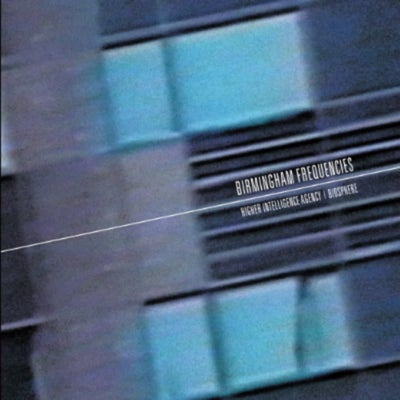
Birmingham Frequencies, a landmark ambient classic recorded in 1997 by Higher Intelligence Agency and Biosphere, receives its first release on vinyl. The follow up to Polar Sequences, a previous collaborative project between Biosphere & HIA, Birmingham Frequencies features location recordings of the city's sonic landscape, captured by Bobby Bird and Geir Jenssen, which form the basis of the compositions. Birmingham Frequencies was first presented in concert on 4th October 1997 within the sublime circular rhythms of the Birmingham Rotunda, and was released on CD in 2000. Described as a 'vivid late night urban sound track' with an 'exquisitely burnished, Lynch/ Badalamenti soundtrack style ' two of the tracks, 'Narrowboat' and 'Midpoint', feature in Peter Mettler's recent epic visionary cinema release 'While the Green Grass Grows'. Now made available as a deluxe double vinyl in a gatefold sleeve, & meticulously remastered by Stefan Betke (Pole) at Scape Mastering, this release forms a complementary counterpart to the recent vinyl release of Polar Sequences, and is an essential addition to any collection of works by these two artists. Boomkat Review (2019 CD re issue) Birmingham Frequencies is Biosphere and Bobby Bird's atmospheric reading of the Brummy pulse at the turn of the millennium The album explores intersections of location recordings with filigree ambient tones between dual poles of rugged, range-finding dub and exquisitely burnished, Lynch/ Badalamenti soundtrack styles to present a portrait of Birmingham that's much more romantic and dreamy than you may imagine, especially if you know the place. 20 years later, the album effectively marks a midway point between original, late '70s/early '80s ambient pioneers and the modern field. It trades in a mixture of crisply polished, well established, classical ambient notions that reflect foundational forms by Eno and Hassell, and a strain of more technoid investigation that's perhaps prescient of producers such as Uon or Pendant.
-
 #10
Feat. New Releases in Ambient / Experimental
#10
Feat. New Releases in Ambient / Experimental
-
 #11
Feat. New Releases in Ambient / Experimental
#11
Feat. New Releases in Ambient / Experimental
-
 #12
Feat. New Releases in Ambient / Experimental
#12
Feat. New Releases in Ambient / Experimental
-
 #13
Feat. New Releases in Ambient / Experimental
#13
Feat. New Releases in Ambient / Experimental
-
 #14
Feat. New Releases in Ambient / Experimental
#14
Feat. New Releases in Ambient / Experimental
-
 #15
Feat. New Releases in Ambient / Experimental
#15
Feat. New Releases in Ambient / Experimental
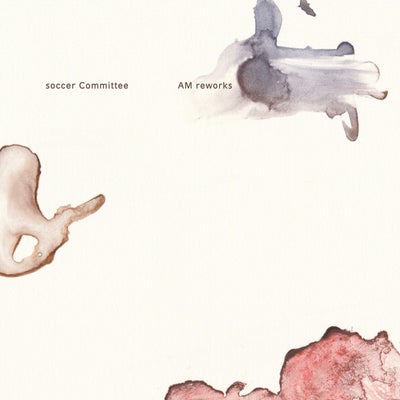
Since 2005, Mariska Baars aka soccer Committee, has quietly carved out a singular space where folk, ambient and experimental music dissolve into one another. Working with little more than her voice, an acoustic guitar and delicate loops, Baars creates songs of a remarkable intimacy. There's nowhere to hide in these arrangements, and that's precisely where their magic lies. For Accidental Meetings, Baars revisits a selection of songs from across her catalogue, gently reshaping and reimagining some of her finest work. The result is a deeply personal, evocative listen that feels both familiar and newly discovered.
-
 #16
Feat. New Releases in Ambient / Experimental
#16
Feat. New Releases in Ambient / Experimental
-
 #17
Feat. New Releases in Ambient / Experimental
#17
Feat. New Releases in Ambient / Experimental
-
 #18
Feat. New Releases in Ambient / Experimental
#18
Feat. New Releases in Ambient / Experimental
-
 #20
Feat. New Releases in Ambient / Experimental
#20
Feat. New Releases in Ambient / Experimental
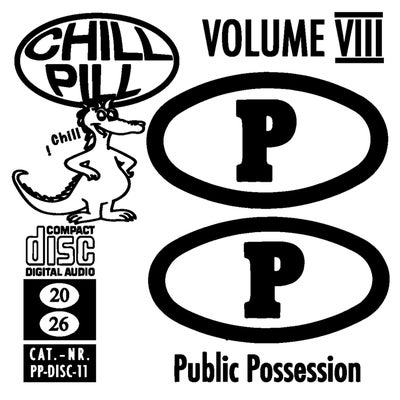
Chill Pill Volume VIII
Andras , DJ City , Mona , Bell Towers , Blase , Cesar Wogue , R_R_ , Kaazi , Melati ESP , Courtney Bailey , Aksel & Aino , ddwy
New Releases
 New Releases